The Real Cost of a Small Leak in a Vacant Home
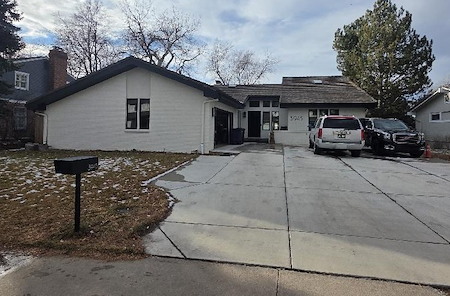
In a dry, high-altitude city like Denver, a “small” drip inside a vacant house can turn into a big, messy problem. The combination of freeze-thaw swings, fast spring storms, and long stretches without anyone onsite means a leak has time to spread, soak, and stain before anyone notices. That is exactly why many homeowners rely on vacant home monitoring when they are away for more than a week or two.
You might picture a burst pipe. The reality is quieter and sneakier. A toilet supply line weeping behind a wall. A fridge line dripping under cabinets. A water heater seeping into the pan, then onto the slab. Left alone, these slow leaks create moisture that wicks through drywall and flooring, invites odors, and can even reach electrical components.
Why Vacant Home Leaks In Denver, CO Are Different
Denver’s climate pushes materials hard. Winter cold snaps can arrive fast, then bounce back to sun and 50s. That movement stresses rubber gaskets, compression fittings, and older supply lines. In neighborhoods like Cherry Creek, Park Hill, Hilltop, and Washington Park, many homes blend new fixtures with older plumbing runs. Tiny gaps can open after a freeze, then begin to seep when temperatures rebound.
Basements are common across the metro, from Sloan’s Lake to Central Park and Lowry. If a slow leak starts upstairs, gravity moves water into wall cavities and ceiling spaces before it finally shows up as a soft spot or stain downstairs. By the time a neighbor notices something looks off from the curb, the interior can already be damp.
Denver’s spring and summer storms add to the risk. A wind-driven rain can exploit small flashing or window issues. If a seal fails while the home is empty, that moisture might not be discovered until it has migrated across multiple rooms.
The Domino Effect: How A Small Drip Becomes A Big Repair
Leaks do not shout. They whisper. Here is how that whisper becomes a chorus if no one is around to catch it.
- Minute 1 to Day 2: Moisture collects at the source. Finish materials start to swell.
- Days 3 to 7: Stains form on ceilings or walls. Insulation and subfloor begin to hold water.
- Days 8 to 14: Odors appear. Paint bubbles. Warped trim and cupped flooring spread.
- Beyond two weeks: Contaminated materials often need removal. Scheduling access, cleanup, and trades stretches timelines.
Mold can begin within 24 to 48 hours if conditions are right. That means time is the real cost driver. The longer a leak goes unseen, the more surfaces it touches and the more disruption it causes.
Hidden Costs You Don’t See On The Invoice
When owners are away, the price of a leak is more than parts and labor. It steals time, triggers rework, and can even affect resale momentum.
- Schedule setbacks: Repainting or flooring work pushes other plans back by weeks.
- Travel disruption: You or a trusted contact must coordinate access and decisions from afar.
- Insurance friction: Carriers often ask for timelines and proof of when damage was discovered. Requirements vary by policy.
- Showability: If the home is listed, damp odors and stained drywall hurt first impressions.
- Neighbor and HOA pressure: Prolonged exterior signs of vacancy or water issues can draw attention.
These hassles add up, especially if the original leak could have been spotted during a routine walkthrough. Our favorite way to think about it: time saved early is disruption avoided later.
Where Small Leaks Often Start In Empty Houses
Some components fail more often than others, especially in older homes or those that have recently been remodeled.
- Toilet supply lines and shutoff valves that seep under slight pressure changes
- Refrigerator and ice maker lines hidden behind cabinets
- Water heaters with slow pan overflow or corrosion at fittings
- Humidifiers, boiler relief valves, and older washing machine hoses
- Irrigation backflow devices and hose bibs after spring freeze-thaw
Many of these areas are out of sight. A slow drip can run behind walls or under flooring long before there is a clear surface sign.
What A Professional House Watch Catches Before It Spreads
Consistent, documented walkthroughs are designed to spot trouble early. A trained set of eyes looks for staining, soft drywall, swollen trim, and active moisture where it should not be. Temperatures and humidity are checked. Problem-prone fixtures are observed. If something is off, you get rapid photos and a clear next step. When minor work is needed, coordinated handyman support helps keep damage from marching into the next room.
For a broader view of unattended risks our community sees, the post on the 5 biggest problems when a home is left unwatched explains how water issues sit at the top of the list. It also shows why leaks are rarely just “a little water.”
If you want the most direct path to peace of mind, start with a plan for vacant home watch in Denver, CO. That simple phrase describes a process that trades surprise for prevention and gives you a local partner who treats your property with the care it deserves.
A Short Denver Scenario: Two Weeks Away, One Slow Drip
Imagine you lock up a classic brick home in Park Hill and head out for a 14-day trip. On day one, a compression fitting under an upstairs sink loosens just enough to weep. At first it is a damp ring in the vanity base. By day four, moisture creeps into wall cavities. By day seven, the ceiling below shows a faint shadow. By day ten, the paint blisters and the wood trim cups. You come home on day fourteen to an odor, discolored drywall, and a list of calls to make.
Now picture the same home with a weekly documented visit. The slow drip is found at the first hint of trouble. A quick photo and note confirm the issue. The water is shut off at the fixture, and a coordinated visit with a trade is arranged. Instead of two rooms needing repair, one fitting gets replaced and a small area is dried and monitored. Your return is boring, which is exactly what you want.
Seasonal Patterns Across Denver Neighborhoods
Leaks are not just a winter story. In Highlands and Sloan’s Lake, spring hail and heavy rain can push water toward window frames or aging flashing. In Hilltop and Belcaro, older supply lines may relax after big temperature swings. In Central Park and Lowry, newer systems still settle season by season. Each area has its quirks, but the pattern is the same. When homes sit empty, small issues stay small only if someone is looking.
Documentation Matters When You File A Claim
Insurers often want to know when damage was discovered and what happened next. While policies differ, a written, time-stamped record with photos removes guesswork and helps keep things moving. Clear documentation can shorten stressful back-and-forth and makes it easier to show that you acted promptly once a problem was found.
Why A Small Leak Feels Bigger In Real Life
Even a modest patch-and-paint job steals attention and energy. Contractors need access windows. Dry times push into other tasks. If you are coordinating from another city, there are more texts and calls. A well-run house watch program shrinks those headaches by catching issues before they roll into multiple rooms or require specialty trades.
What Makes A Good Visit Checklist
A thoughtful house watch checklist is built around Denver risks and your home’s layout. It should confirm heat is holding in winter and cooling works in summer, look under sinks and around fixtures, scan ceilings and walls for new staining, and note humidity readings. It also checks access points and confirms that your home still looks lived-in from the street. Consistency beats intensity. A careful, repeatable route catches patterns you might miss in a one-off glance.
When A Leak Is Found, Speed Wins
Here is what a strong response looks like. You receive a photo, a short description, and a recommendation. Water to the affected fixture is turned off when appropriate. If vendor help is needed, scheduling begins right away and you get a time window. Follow-up photos confirm the area is drying and stable. Fast, simple steps limit spread and keep control in your hands, even if you are out of state.
Ready To Reduce Risk While You Are Away?
When you leave a Denver home empty, time and distance are the real enemies. A regular set of eyes changes the story. If you want your return to feel uneventful, partner with a local team that documents visits and responds quickly when something is off. Explore how Denver Home Ltd handles oversight with our dedicated vacant home watch service, then choose a cadence that fits your plans and season.
Have a trip coming up? Call Denver Home Ltd at 720-338-3103 to set your first visit, or learn more about options on our vacant home watch page.